Table Of Content

The cuticle is so dry and open that it becomes like little fish hooks that catch on each other and break when you take out the braids,” Castillo said. These curls are tight and springy — they would coil perfectly around a drinking straw. To preserve the definition in these corkscrew curls, take a hands-on approach. According to Healthline, other common types of alopecia include traction alopecia, telogen effluvium, alopecia areata, central centrifugal cicatricial alopecia (CCCA), and lichen planopilaris (LPP).
Men’s Curly Hair: The Ultimate Guide for Show-stopping Curls
Type 2 can be of any thickness, and is characterized by a definitive S-pattern that lays close to the head at the root. With no variation in shape, Type 1 is sub-categorized by strand thickness. Does your hair look as if you’ve just taken a dip in the ocean 24/7?
How to Tame Flakes and Oiliness
Next, compare your hair’s natural pattern and texture to hair typing charts or descriptions. The LOIS hair typing system categorizes hair based on the shape, size, and texture of a single strand. This system eliminates the need for labeling hair types by numbers. Strands are labeled as L (bendy with minimal or no curvature), O (curled into a zero or multiple spirals), I (flat and straight), or S (wavy with hills and valleys). Similarly, the 4D hair type was created within the natural hair community. It’s usually described as a more tightly coiled “extension” of the 4C hair type.
Is Hair Typing Necessary?
If you can’t identify a defined, specific curl pattern, then your hair type is 4B. The first type of hair is one of the easiest to identify but still contains a wide range of textures. Type 1’s sub-categories are defined mainly by how easily the hair holds a curl (largely from the texture of each strand). Your natural curls are loose, light and have a definite S-shape pattern, which means you’ve got 3A hair (a.k.a. curly hair). 4c hair has a spiral texture, but the spiral might look miniature.
How to Take Care of Natural Hair at Home, According to Hairstylists - Real Simple
How to Take Care of Natural Hair at Home, According to Hairstylists.
Posted: Tue, 06 Sep 2022 07:00:00 GMT [source]
Is it Possible to Be Between Curl Types?
Sabina (she/her) is the director of the Beauty, Health & Sustainability Lab at the Good Housekeeping Institute, where she has overseen skincare, haircare and makeup testing since 2012. She also reviews applications, substantiates claims and evaluates products for the GH Seal and the Beauty Awards and Sustainability Awards programs. In chemistry from Ithaca College and more than 16 years of experience working in the pharmaceutical and personal care industries. Type 4B is characterized by its tiny zigzagged pattern, which is often accompanied by compressed and s-shape coils. Whether you have 2b waves or 3c curls, these are the best ways to care for it.
The 9 Types of Curls
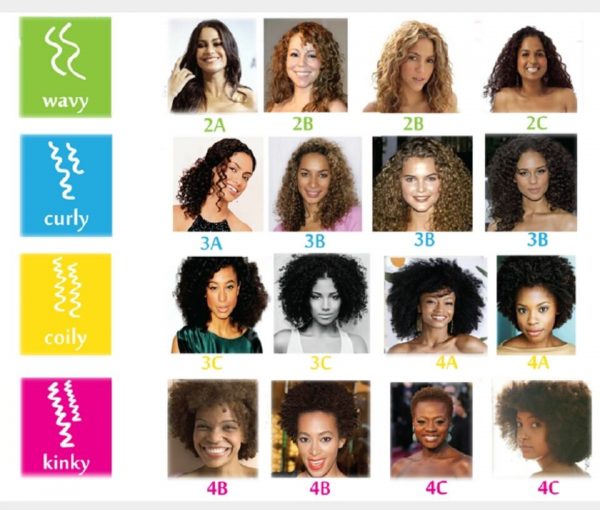
In general, stick with every-other-day washes at most to prevent drying out your waves but still keep your scalp clean. Type 3A hair has big, loose curls with some strands that are more wavy than curly. To attain the best curl definition, use a moisturizing spray and scrunch up your wet curls with a soft microfiber towel.
Type 4: Coily Hair
Generally speaking – we don’t discuss hair typing very often because there are many things that each person must do to care for their hair regardless of their individual hair type. Maybe – that is if you decide to use one well-known hair typing system. Your hair type could also be an “OS” or an “IS” according to a different hair type chart (or system). Again, finding your hair type and building your respective routine might take some experimenting.
Why should I know my hair type?
If you can’t make it to a stylist, you can try to determine your hair characteristics at home, which will help you find the right products for it. The best way to tackle the mane issues that come with having type 3 hair? Following a co-washing system will leave your hair feeling smooth, nourished, and prepped for styling. Since you want to preserve your curls but you don't want to wash them daily, try "pineappling" before bed. This simply means that you're putting your hair into a high bun (think a top knot but not so tight). If you have straight hair, then you are part of the type 1 hair club.
Type 2b waves might be slightly frizzier on the crown of the head and tend to lose curl definition easily. If you've been assuming that coarse hair and thick hair are the exact same, think again! The term coarse hair actually refers to the diameter (or width) of your individual hair strands. When you touch your hair, does it feel like you have a lot of it? Does your hair feel very strong, yet often dry and rough to the touch? From bouncy waves to big, beautiful ringlets, no two curls are exactly alike.
If you’re not sure where to start, consult a professional who specializes in your type of hair, or follow someone with your hair type on social media. One of the most helpful things you can do is use social media to find and follow someone whose hair type is similar to yours. Look for texture sprays and light mousses to add volume and lift. High density hair can benefit from thicker creams and butters to add shine and control.
This hair type can have either a compact zigzag pattern that doesn’t twist around itself or tightly-wound s-shaped curls. Type 4 curls can shrink when dried, so to determine if this is your curl pattern, give it a closer look when hair is wet and dried. Type 2 hair incorporates natural waves that can range from barely noticeable to being mistaken for curly hair. Wavy hair tends to be straight when wet and ripples as it dries. It differs from curly hair in its inability to form swirls or twists that wrap around themselves. The key for wavy hair is to keep it nourished while giving it enough volume to move freely, so apply your styling products sparingly and with a delicate touch.
If your hair is more loosely coiled with less curl definition, then it’s most likely 3B. People with all hair types can experience hair loss or thinning. Genetics plays the most significant role in hair loss, but other factors like stress, nutrition, medications, and hair care practices can play a role, too. This article explains hair types and how to determine your specific type so you can choose hairstyles and hair care routines to look and feel your best.
And if you're still stuck, Bailey has a slightly different tip. She recommends examining your curls while they're wet—the texture will be evident. "You may have more than one texture in your hair, which is common," she says. Breyer recommends those with Type 3a and 3b curls use an anti-humectant (humidity-blocking) styling cream, cream gel, or styling milk for less frizz but more definition. Do your ponytails and updos seem smaller than they should be?
Folks with this hair type will see a great change in hair length when their natural coils are shining versus when they straighten or blow out their hair. This hair type needs tons of moisture, so consider swapping out your conditioner for a hydrating hair mask every other wash (or every wash, if needed). 3b hair is tighter than 3a, and generally has tons of volume. "Each curl is usually no bigger than a highlighter or a marker, even across different hair textures," stylist Cassandra Olivia previously told mbg. If your curls are larger than a marker, then you probably fall into the 3a category instead. This hair type comes with big waves, but they never quite form into an S curl—at least not consistently.